Links
Introduction to Gephi Tutorial
Annotating the Apple Watch
Datacide
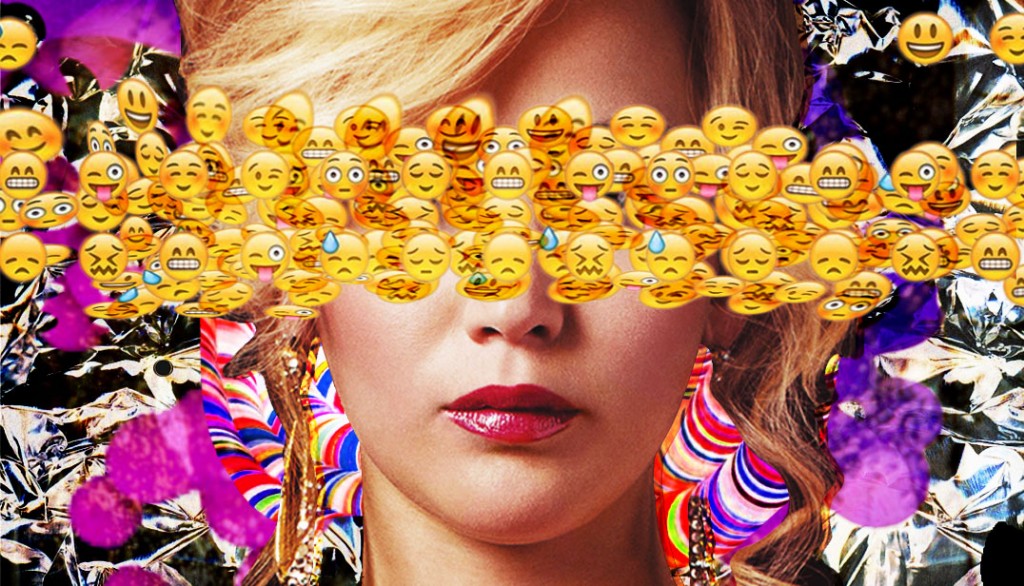
DATACIDE: The Total Annihilation of Life as We Know It
An excellent article I recently read talks about how data, algorithms, and connectedness have changed our world and made us aware of heretofore hidden aspects of our collective selves..
I’ve seen the best minds of my generation sucked dry by the economics of the infinite scroll. Amidst the innovation fatigue inherent to a world with more phones than people, we’ve experienced a spectacular failure of the imagination and turned the internet, likely the only thing between us and a very dark future, into little more than a glorified counting machine.
Am I data, or am I human? The truth is somewhere in between. Next time you click I AGREE on some purposefully confusing terms and conditions form, pause for a moment to interrogate the power that lies behind the code. The dream of the internet may have proven difficult to maintain, but the solution is not to dream less, but to dream harder.
The Atlantic – ‘The Cloud’ and Other Dangerous Metaphors
Interesting read from The Atlantic:
Underlying the discussion has been a tangle of big, thorny questions: What policies should govern the use of online data collection, use, and manipulation by companies? Do massive online platforms like Google and Facebook, who now hold unprecedented quantities of sensitive behavioral data about people and groups, have the right to research and experiment on their users? And, if so, how and to what extent should they be permitted to do so?
…
Data escapes attempts to fit it neatly into a single conceptual box. Consider three phrases—now so commonplace as to be unremarkable—that we use to talk about data:
- “Data Stream,” which refers to the delivery of many chunks of data over time;
- “Data Mining,” which refers to what we do to get insightful information from data; and
- “The Cloud,” which refers to a place where we store data.
These tropes are notable because they use distinct, physical metaphors to try to make sense of data within a specific context. What’s more, all three impute radically different physical properties to data. Depending on the situation, data is either like a liquid (data streams), a solid (data mining), or a gas (the cloud). Why and how these metaphors get used when they do is not immediately obvious. There are tons of alternatives: Data could be stored in a “data mountain,” or data could be made useful through a process of “data desalination.”
…
And in all our talk about streams and exhaust and mines and clouds, one thing is striking: People are nowhere to be found. These metaphors overwhelmingly draw from the natural world and the processes we use to draw resources from it; because of this, they naturalize and depersonalize data and its collection. Our current data metaphors do us a disservice by masking the human behaviors, relationships, and communications that make up all that data we’re streaming and mining. They make it easy to get lost in the quantity of the data without remembering how personal so much of it is. And if people forget that, it’s easy to understand how large-scale ethical breaches happen; the metaphors help us to lose track of what we’re really talking about.