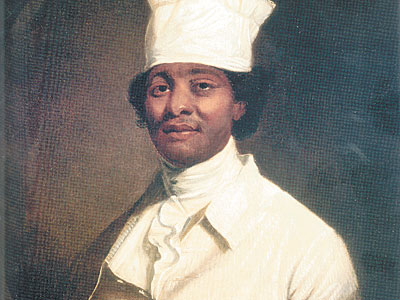
Typically, historians look to understand the happenings of the past exactly as they were. To understand the past, context is generally a high priority. In Lauren Klein’s paper regarding Thomas Jefferson’s letter collection, words and phrases were pieced together to form a new inscription about the identity of a previously unknown slave named James Hemings. Klein explained the recent discovery of Hemings’ identity as a result of “archival silence.” Because of gaps in archival record, Heming’s identity was lost deep in the annals of Jefferson’s literature. Without knowing the context and time period when Thomas Jefferson was writing his letters, the language can be confusing and misunderstood. It was taboo for someone of Jefferson’s position and status to write of slave laborers, so subtle hints had to be pieced together, much like a puzzle. Fortunately, through the use of text mapping, a new picture came to view, outside of the individual letters themselves.
One article from Technology Review revealed that text mapping can also explain changes in terminology used across time periods. The article made a point to state that terms can change meaning literally overnight. In an internet assessment run just after the release of the Microsoft operating system by researchers at Stoney Brook University, the term “windows” morphed into much more than just a common household feature. Technology changed the entire understanding of the word. Similar to the textplot software in Quantifying Kissinger, Google Trends and other similar features can offer a unique representation moments in history. Paired with the benefits of reducing “archival silence,” the use of text mapping software can help provide comprehensive historical pictures through inscription and representation that could be the future of historical archiving.


The sudden prevalence of “windows” is a good case study of words changing overnight. The historian Ben Schmidt is studying exactly these kinds of questions about word use.Reference