
Deaths on the internet have a funny relationship with time. A Facebook page of someone who died is a snapshot of their life right before they died – their existing profile picture that captures their pre-death self, the posts from friends and family perhaps mixed with the deceased’s own status updates. Year after year, if no one changes the content, this page will look the same. It will not look older with each passing year, nor will it be changed by the passing of the seasons. In some ways, an online memorial is a time capsule that preserves the moment of the death just as it was when it first happened, so visiting the site again could seem almost as if the person just died.
Something important is lost in preserving this person’s memory when time is put aside, however. A gravestone weathers with each passing year, the edges erode, the letters fade. A gravestone shows a history, a context of a time and a place that a website is unable to transmit to the viewer. While the Brubaker et al. article argues that “Digital content can continue to persist without such decay, thereby expanding the reach of mourning and memorializing” (158), I believe that regardless for how long the site stays open, without the decay, the concept of time is warped.
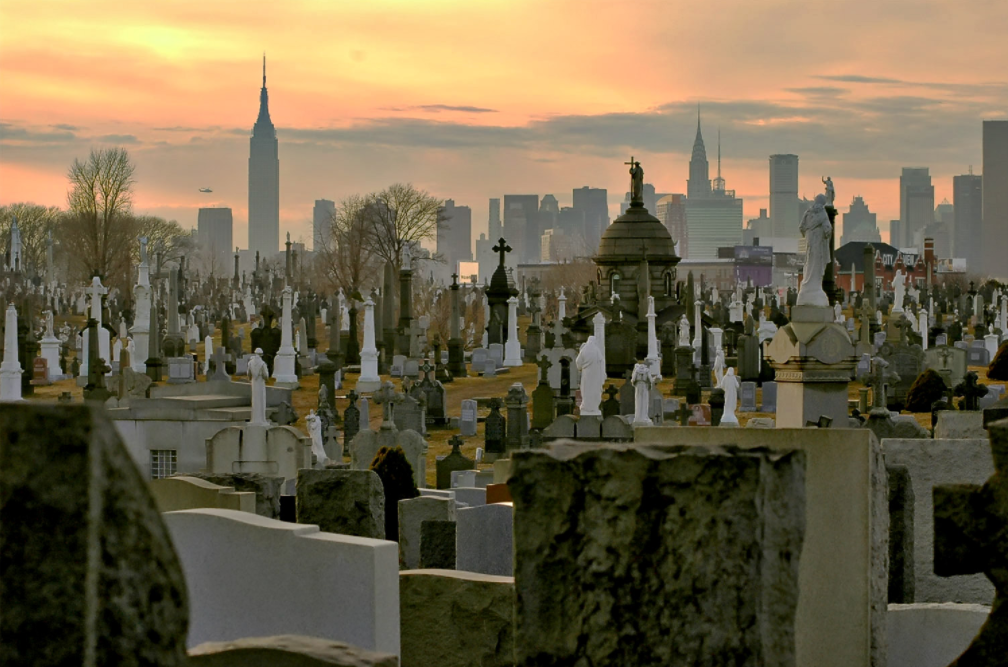
Additionally, the online memorial sites will never be able to replicate the sense of place that accompanies that passage of time in a physical location. At a cemetery, you walk by the other graves, feel the somber atmosphere, experience the passage of time in each season you go, leave tokens on the grave as memories, and feel the emotions more viscerally than through a computer screen. Immersed in place and time, the gravesite, I would argue, has a stronger emotional pull and generates a more powerful connection than a site lost in the endless pages of the internet.