
Psychosis is a morbidly fascinating subject present throughout the genre of horror. What makes it so captivating might be the sickening display of otherworldliness that the mentally ill are capable of producing. Their actions are so irrational and nonsensical that they become the source of horror themselves–partly why word salad may be so creepy. We like to see ourselves in control, and seeing such behavior might induce the fear of losing this control, to succumbing to some of sort of dormant, even alien, influence.
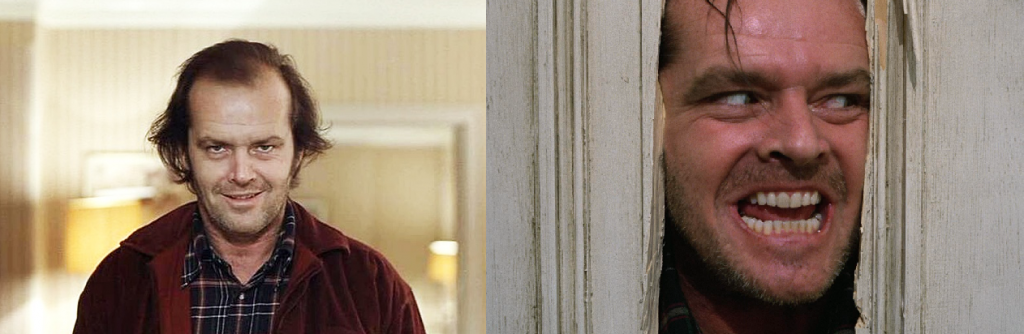
However, the most popular horror feature of them all seems not to be the psychosis itself, but rather the process of losing one’s sanity. There is something about the ‘descent into madness’ that is even more fascinating. So many famous pieces of literature and art explore this journey. Famous examples in literature include Charlotte Perkins Gilman’s “The Yellow Wallpaper” and various works of Edgar Allen Poe. This subject is even more popular in film, with movies such as The Shining (which itself was originally a novel) having a special place in the ‘inexplicably terrifying journey of watching an everyman turn insane’ category.
In Paul Tremblay’s A Head Full of Ghosts, we see young teenage Marjorie slowly fall victim to mental illness from the perspective of her young sister Merry. This is recorded not only by Merry’s early childhood memories but also a small digital camera that she receives from Ken, a friend on the set of the reality TV show that preys on her family’s unfortunate predicament. There is a compelling juxtaposition of what Merry is able to see hear and what the camera is able to capture. While at times both Merry and the reader are left unsure of what exactly she has seen, the one occasion in which she shows what she recorded to Ken reveals solid truth. With Marjorie falling into what appear to be schizophrenic tendencies, it is difficult to take any part of Merry’s recollection as undistorted by time, outside influences, and even her own desires.
The digital camera obviously contrasts starkly to the organic, shifting nature of memory. However, according Merry she and her sister apparently manipulate it into ‘evidence’ that she is possessed. While the advent of digital technology and recording devices seems to beckon the doing away with drifting memory and bias, we instead see the opposite: digital technology has provided a means of influencing perspective that has become even more convincing than before.