 According to Davidson’s website, the Knobloch Campus Center is a “gathering place for students, faculty, staff, and visitors, providing opportunities for involvement in formal and informal activities”. Knobloch is made up of the Alvarez College Union and the Duke Performance Hall, the latter of which is insignificant to my observations. The Union, as it’s called, or at least my dorm calls it, features an atrium, game room, the Davis Cafe, and more, but I did not observe the rest. The purpose of the atrium, the most used aspect during my observation, is as written on the Davidson website:
“The atrium-a popular gathering, meeting, and study locale-is open to Davidson students  around the clock throughout the academic year. The union is also home to the Davis Café, a fitness center, meeting spaces, and a variety of student organizations and services.”
Thus, the deliberate design of the setting is defined. It is important to note that Knobloch was once a gymnasium, built in 1948, but was remodeled in 2000 into its current, modern form. The purpose of the building has always been partly for recreation, but the use does not exactly match the purpose.
The second floor of the atrium is notably filled with tables, coaches, and chairs. Plenty of space for people to sit, talk, have fun, and maybe get some work done. This is exactly what students do in this area. People sit, and eat, but mostly talk and enjoy themselves with their friends. They friendly atmosphere is even appropriated into the Davis Cafe. The cafe is obviously for cooking and buying food, but students often may gather in small groups, maybe waiting for their food; but they start a conversation and end up enjoying themselves in the cafe itself, instead of the tables outside. This behavior did not seem too weird for me as the cafe is not a super quiet or unwelcoming setting, but this behavior is interesting in context of the game room. While the game room has billiard tables, and a foosball table is nearby, they are notably empty. I am yet to see someone  play with them at all, even though that is their exact design and purpose. In fact, people are not even around them often, but stay on the cafe side of the atrium and leave the game room completely empty. The laughter and loud talking of everyone on the second floor makes its way up to the third floor, which unlike the rest of the union, is designed for study. The third floor is filled with desks, tables, and separators in an obvious orientation to promote quiet work. Once again people follow the design and work at these desks, but the noise from below changes the setting, some may have to put in headphones to cancel it out, try and ignore it, or even talk themselves. The physical set up of the third floor has an intention of studying, but the sounds of the floor below create an atmosphere that at times can lead to appropriating the third floor as an extension of the social second floor. In this way, the second floor, made for the social, talkative environment it holds, has the power to change the nearby areas designated for other purposes, disrupting other activities that where intended.
Overall the building has provided an obvious, and well followed design for use, but has allowed for the domination of the social context over the intellectual.


 been a few hours. Afterwards, I would feel recentered, in my body, and feeling normal again. I would feel relaxed, having destressed in the game. Other times I would feel extra stressed and rushed; because I had planned on taking a break from work and quickly returning, but ended up taking hours and now had too little time to finish. At the end of the day, either way, I would feel happier.
 lso productive and help them learn. Schoolkids may not be the best example, though. This purports the stereotype that video games are for little kids and a waste of time, these are myths. The average age of a gamer is 35. 68% percent of gamers are over 18, 47% of gamers are women, which means that there are more adult women are gamers than male gamers under 18 (Entertainment Software Association, 2012). Videogames are everywhere, and just about everyone plays them, be it on their phone in the train during their morning commute or on a computer at home at 2 am. If everyone plays, why not make it more than just enjoyment?

 You find pleasure in just the act of simply kicking the ball to each other, maybe adding some flair and mixing things up, or having a conversation alongside passing. In contrast, playing in the 90th minute of the World Cup final, with the pressure of the whole world watching and your country’s pride resting on your back, is not the same experience. Where the pleasure is derived from success, both within moments inside the match and in the winning the tournament. Both of which take huge amounts of effort, skill, focus, and even pain and sacrifice.
 These two different different situations correlate to Roger Callois’s ideas of free lance paidia and structured ludus. With the paidiac form being a simple kicking of the ball between a few people, which is not organized, and in this case also lacking effort. The ludic design of a soccer match, made up of the
 are put in for the work to seem more like games and made more fun. This movement is supported by the idea that more and better work is produced when the work force has higher morale. While work may not cross to play, it is made playful, as described by Miguel Sicart. When work can now bring some enjoyment and pleasure, it is easier to see the connection it has to play.

 exerting their power and taking what they want from the lowly scum of the earth. Yet more is revealed with the name of the original game, daifugō (Japanese for grand millionaire), and all of the other names for the game: including kings,
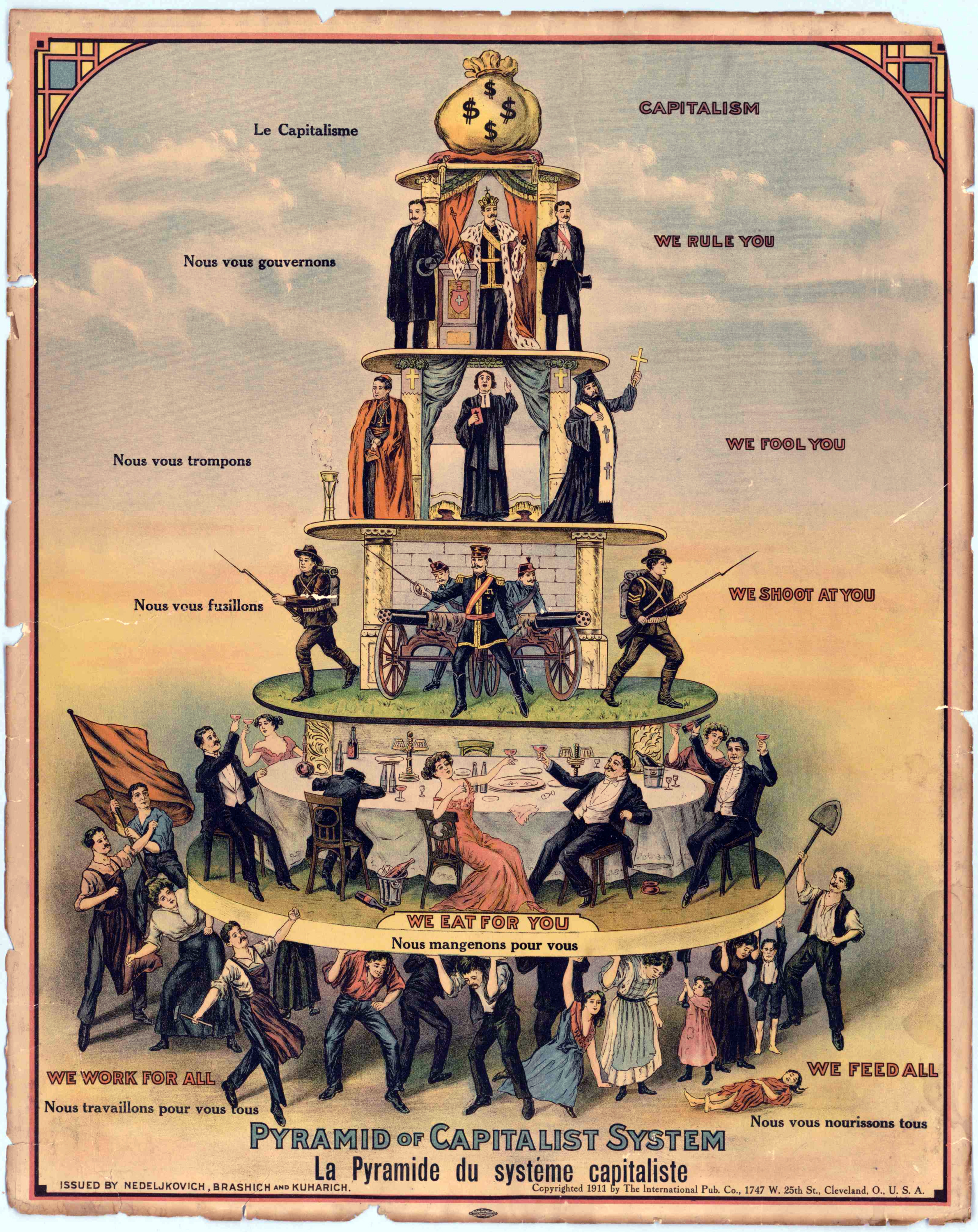 capitalism, warlords and scumbags, landlord, rich man poor man, hierarchy, pimps and hoes, and more. The common theme being the implied superiority of the previous winners over the losers. This along with the unfair perks of being in this upper class reveal the political satire within the game. Therefore in playing the game, the players are shown the problems with capitalism, and how rising into upper classes allows people to perpetuate their wealth and power; as well as with many of the different names and terms in versions of the game, players are shown the negative social implications and lack of respect for the lower class. All of which are explicit enough of messages that I could not avoid having them pop into my head when I played my first few rounds. Is our society really like the game? Is their anything we can do to fix it?