Spencer

Play and Work

The difference between work and play is at first glance very easy. Work is high stress, monotonous, and boring. While play is relaxed, imaginative, and fun. Yet these two things are not as different as they seem.

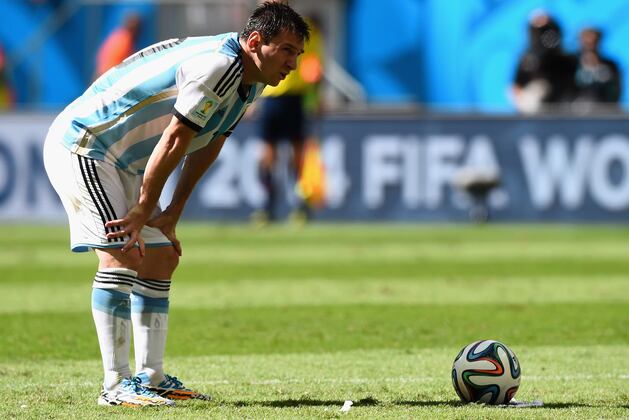
Let’s begin with play. While play can be relaxed and fun, sometimes it is the opposite. Take soccer for example. Having a pass with some friends is nice and relaxed. You find pleasure in just the act of simply kicking the ball to each other, maybe adding some flair and mixing things up, or having a conversation alongside passing. In contrast, playing in the 90th minute of the World Cup final, with the pressure of the whole world watching and your country’s pride resting on your back, is not the same experience. Where the pleasure is derived from success, both within moments inside the match and in the winning the tournament. Both of which take huge amounts of effort, skill, focus, and even pain and sacrifice. These two different different situations correlate to Roger Callois’s ideas of free lance paidia and structured ludus. With the paidiac form being a simple kicking of the ball between a few people, which is not organized, and in this case also lacking effort. The ludic design of a soccer match, made up of the 17 laws of the game (simplified here) and the countless unwritten rules known between players, taking a lot more attention to detail and energy to achieve the goal of the game, to win. Both the paidiac and ludic components of soccer are still play, no matter the amount of structure and effort. In the latter, enjoyment is achieved through success and multiplied by the effort put in, highlighting the fact that hard work and play are not mutually exclusive. In this way play can be closely related to work. Which is often categorized by the necessary effort.

Work also has its misconceptions that may build up the seemingly large, but in reality, small disparity. The main being the monotony. Work is thought of as repeating of the same act, over and over. But this is not the case, and is not always as tedious as it may seem. More and more often nowadays jobs are being gamified. By that I mean that efforts are put in for the work to seem more like games and made more fun. This movement is supported by the idea that more and better work is produced when the work force has higher morale. While work may not cross to play, it is made playful, as described by Miguel Sicart. When work can now bring some enjoyment and pleasure, it is easier to see the connection it has to play.

Play, especially the more challenging and ludic versions, can take a lot of effort and concentration; and work can be fun and create amusement. The realization of these two simple, but often overlooked parts of work and play accentuates the similarity of the once thought to be separate concepts. You can play at work, and work at playing, and if you’re really lucky your life will combine the two.

Presidents and the Issues of Capitalism

Presidents, as the game was shown to me, is a shedding card game, meaning that the goal of the game is to get rid of all of ones cards. Without getting too detailed the rules go as follows: players go around the circle in a clockwise fashion playing cards of ascending value, with a few exceptions, including superior doubles, and triples, pile-clearing cards and transforming cards depending on the rules agreed by the players, and clearing the pile when no one else can play a card or one player exhausts their hand.

The political aspect of the game becomes apparent at the restart of the game. At the beginning of following rounds of Presidents, the first two winners of the previous round, deemed president, and vice president, get to take cards from the last two players, the scum and vice scum. After the cards are dealt to each player the president gets to take two cards from the scum, at request of the president, and give the scum any two cards in return, with the vice president getting one from the vice scum.

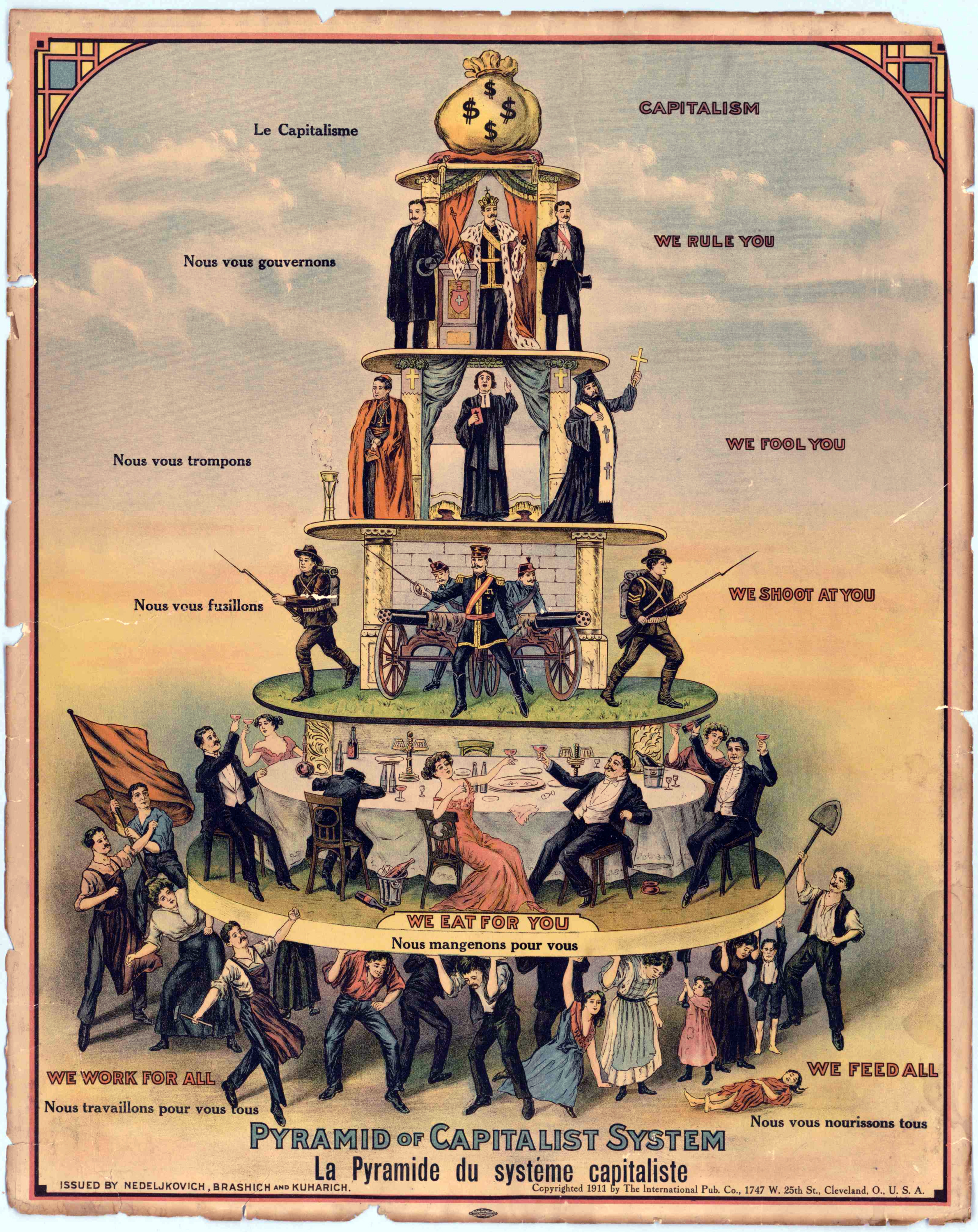
The politicalization of this game is pretty obvious with the titles of these players and the president and vice president exerting their power and taking what they want from the lowly scum of the earth. Yet more is revealed with the name of the original game, daifugō (Japanese for grand millionaire), and all of the other names for the game: including kings, capitalism, warlords and scumbags, landlord, rich man poor man, hierarchy, pimps and hoes, and more. The common theme being the implied superiority of the previous winners over the losers. This along with the unfair perks of being in this upper class reveal the political satire within the game. Therefore in playing the game, the players are shown the problems with capitalism, and how rising into upper classes allows people to perpetuate their wealth and power; as well as with many of the different names and terms in versions of the game, players are shown the negative social implications and lack of respect for the lower class. All of which are explicit enough of messages that I could not avoid having them pop into my head when I played my first few rounds. Is our society really like the game? Is their anything we can do to fix it?
Presidents and the Issues of Capitalism

Presidents, as the game was shown to me, is a shedding card game, meaning that the goal of the game is to get rid of all of ones cards. Without getting too detailed the rules go as follows: players go around the circle in a clockwise fashion playing cards of ascending value, with a few exceptions, including superior doubles, and triples, pile-clearing cards and transforming cards depending on the rules agreed by the players, and clearing the pile when no one else can play a card or one player exhausts their hand.

The political aspect of the game becomes apparent at the restart of the game. At the beginning of following rounds of Presidents, the first two winners of the previous round, deemed president, and vice president, get to take cards from the last two players, the scum and vice scum. After the cards are dealt to each player the president gets to take two cards from the scum, at request of the president, and give the scum any two cards in return, with the vice president getting one from the vice scum.

The politicalization of this game is pretty obvious with the titles of these players and the president and vice president exerting their power and taking what they want from the lowly scum of the earth. Yet more is revealed with the name of the original game, daifugō (Japanese for grand millionaire), and all of the other names for the game: including kings, capitalism, warlords and scumbags, landlord, rich man poor man, hierarchy, pimps and hoes, and more. The common theme being the implied superiority of the previous winners over the losers. This along with the unfair perks of being in this upper class reveal the political satire within the game. Therefore in playing the game, the players are shown the problems with capitalism, and how rising into upper classes allows people to perpetuate their wealth and power; as well as with many of the different names and terms in versions of the game, players are shown the negative social implications and lack of respect for the lower class. All of which are explicit enough of messages that I could not avoid having them pop into my head when I played my first few rounds. Is our society really like the game? Is their anything we can do to fix it?