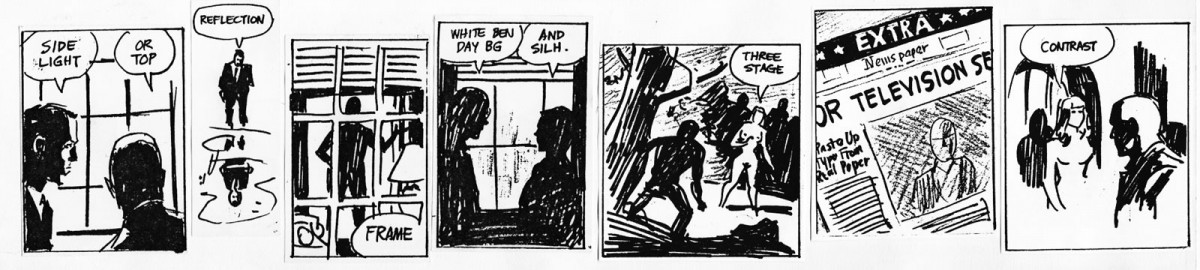
Comics and graphic novels build on artistic and narrative traditions stretching back hundreds—if not thousands—of years. Comics have developed a unique visual grammar, often challenging the conventions of storytelling. Boldly combining images and text, graphic novels of recent years have explored issues often considered the domain of “serious” literature: immigration, racism, war and trauma, dysfunctional families, sexual identity, and much more.
In this class we will learn to analyze and write about graphic narratives that tackle the intertwined themes of history and memory. A landmark slave insurrection. A piece of ground haunted by the past. A man’s survival in the Holocaust. A writer whose life ends suddenly, more than once. A troubled childhood in small town America. These are the graphic narratives at the heart of this class. Over the course of the semester we will study them, talk about them, tear them apart, reassemble them, and most important of all—write about them. The analytical and writing skills you develop in Writing 101 will be instrumental to your success at Davidson and beyond, and applicable to almost any discipline—not just the study of comics.
Intellectual Writing (about Comics)
Believe it or not, you can write about comics in an intellectual or scholarly way. In this regard, comics are no different from any other text from pop culture: films, video games, graffiti. What makes writing intellectual or not is not the subject matter, but rather, the analytical approach and argumentative moves of the writing. All intellectual writing—whether it’s about Moby Dick or Star Wars—shares some key characteristics:
- It positions itself in relation to previous thinking about the subject;
- It strives to reveal something new about the subject;
- It addresses an issue that can led reasonable people to differing conclusions;
- It is attentive to the details and context of the object of study;
- It makes use of evidence and rhetorical moves to support its central claim;
- It recognizes its own assumptions and limits.
This—informed, revealing, evidence-based writing about graphic narratives—is what we aim for in Writing 101.