
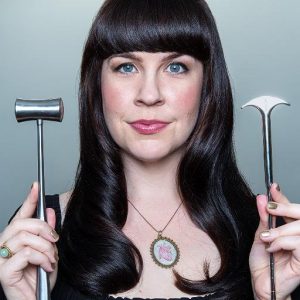
Caitlin Doughty is one of my new favourite YouTubers of all time. Doughty is a mortician who runs a YouTube channel dedicated to normalising death and exploring the myths and misconceptions surrounding death in Western cultures.
After releasing a Buzzfeed video discussing these myths and misconceptions, Doughty presented a TedTalk on the same subject.
For example, Doughty debunks the myth that dead bodies are contagious and potentially harmful to the living. Doughty claims that this is completely false; our detachment from death is what led to this sort of problematic thinking. In fact, in a remote village in Indonesia, the families mummify the dead and hang out with the corpse for years to come. They take the corpse outside, bring it to breakfast, and tuck it in at night in bed with the kids. Families and friends bring the corpse snacks and talk to the corpse, because they believe that the corpse appreciates the offer and can hear the living. These corpses still function as solid members of the family and the community.
This level of intimacy with the dead, however, is non-existent in the West. The West has a broken relationship with death, which according to Doughty is a new phenomenon that occurred within the past century. In the past one hundred years, we have outsourced death and transferred the rituals from the hands of the family to the hands of professionals. Nowadays, people are either buried or they are cremated.
Even talking about death has become a sort of taboo reminiscent of the sex taboo in the earlier centuries. The trending Buzzfeed comments went along the lines of:
“I’m pretty open minded, but this is so weird”
“This girl really creeped me out”
“You’d be crazy to play with a dead person like a doll. Seriously, that lady needs to see a psychiatrist.”
According to Doughty the shocking part isn’t the troll-nature of these commenters or that people believe these things. The shocking part is just how quickly culture changes. This sentiment brings to mind the photographs we looked at in class that people would take with their dead loved ones. People wanted to remember their loved ones and paid extra money to have some proof of their fleeting existence. Even then, wakes were held in the privacy of the home. To us, it seemed weird and unsettling, but to those families it was meaningful and completely natural.
Doughty states that the death care industry is a multimillion dollar corporation that is not interested is handing the reigns back to families. To help this sink in, imagine just for a moment how painfully obscure and unnatural our funerals have become.
For example, let’s investigate chemical embalmment. Chemical embalmment swells up the skin and makes it look puffy and wax-like. All of the insides are hardened and nothing “natural” is left. The body being buried is more of a shell of the person, with the outside fully intact, while the insides are extracted and destroyed. Furthermore, the corpse is slathered with a full face of make-up and buried in an expensive article of clothing. Natural corpses, on the other hand, don’t exactly look as if they are asleep – they look dead. Still, they look natural. There is no painful shade of coral on your dead uncle’s lips combined with a tacky combover and veneers.
The most important message I took away from this TedTalk is to take the time to sit with the deceased and look after them. If someone I love passes away, then I want to be able to respect their body and take care of them on my own. This is someone who is important – not someone who is meant to be immediately carted to the funeral home or to the oven.