
There’s a certain amount of satisfaction that comes with repairing a broken object. As a kid, I used to take apart disposable cameras and try and put them back together so that they would work again (I was rarely successful). There’s a feeling that comes with knowing the mechanism behind the gadget, knowing the combination of intricate moving parts. Repairing an object has similar appeal. By restoring function, or by assigning a new one, you kind of triumph over the broken nature of the object, and cement the fact that you know how it works.
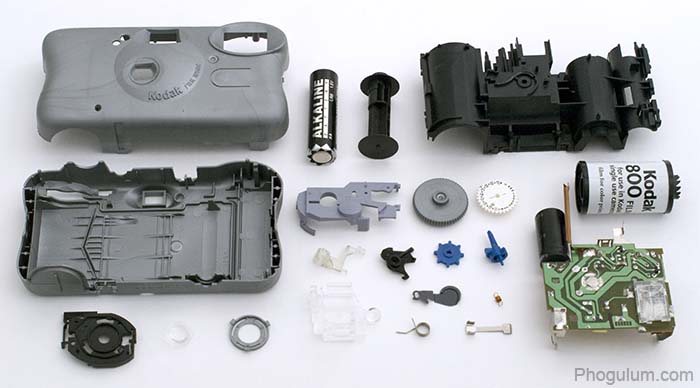
Today’s reading suggests that repair of digital objects is a little different, and I have to agree. While I’ve always thought that the distinction between digital and analog has been somewhat artificial, there is a clear difference in repairing an analog device versus a digital one. We repair digital objects all the time. BUT, the aspects we repair are more often than not, analog. When a phone or tablet screen cracks, we replace it. When a keyboard loses function in some keys, we could solder. But rarely does the average consumer repair an aspect of their gadgets that is truly digital.
When my iPhone is noticeably glitch, there’s really no other discourse for me other than prayers and googling the problem for a quick patch. This trend exists because the digital is so immensely complex. While the physical assembly of a smart phone may be accomplished relatively trivially, the core of what makes the smartphone smart, is very much not. No one single person knows all of the code that goes in iPhone firmware, as it would be an insane task. Instead, a team of specialized workers each have their own area. This makes it very unlikely that the user will know what to do if their smartphone suddenly has its software completely bricked. A similar trend exists in other, more specialized trades today. Whereas in the past, a car mechanic could construct an entire automobile from scratch, that would be absurd today with all the different models and the immense complexity of modern cars. As the collective knowledge of information increases, the individual becomes increasingly powerless in repair.