
“Because survival is insufficient”. It is the last line of chapter 11 in Station Eleven and a transforming sentence in my mind about the Travelling Symphony and their purpose in this post-apocalyptic world.
After reading that, our protagonists in this section of the book are not just passing through the days nor are they living passive lives in this new and difficult world. I see them now as people working to improve the lives of the people around them after the epidemic took everything they had away.
The Traveling Symphony doesn’t have much to work with to stand up for people, as even what we consider today as the most basic forms of technology, such as electricity and cars, are no longer available to the survivors. However, technology, as we have seen in other readings, does not have to be mechanical. The Symphony uses the tools they still have: their voices, bodies, costumes, instruments, and acting skills, to create productions of hope, joy, and power for the people watching. Their ability to from these productions is its own technology.
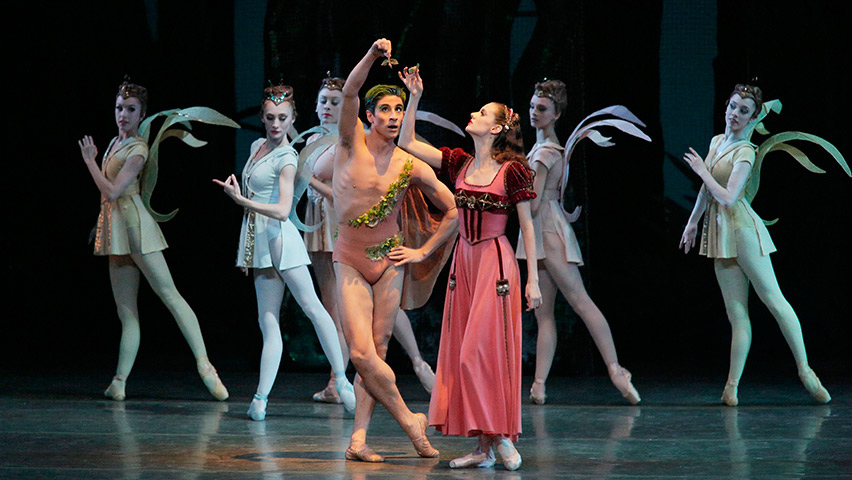
“What was lost in the collapse: almost everything, almost everyone, but there is still such beauty” (57). With almost nothing left, the Symphony creates beauty, and with that, they can still positively impact others in this post-apocalyptic society. The Symphony shows that as long as people still have the ability to move their bodies and use their voices, no matter how terrible the apocalypse, disease, or tragedy, people will still come together to make something beautiful. Even the Georgia Flu couldn’t take this away from them, and this way they are rebelling against the death and despair to be part of a production bigger than themselves.