
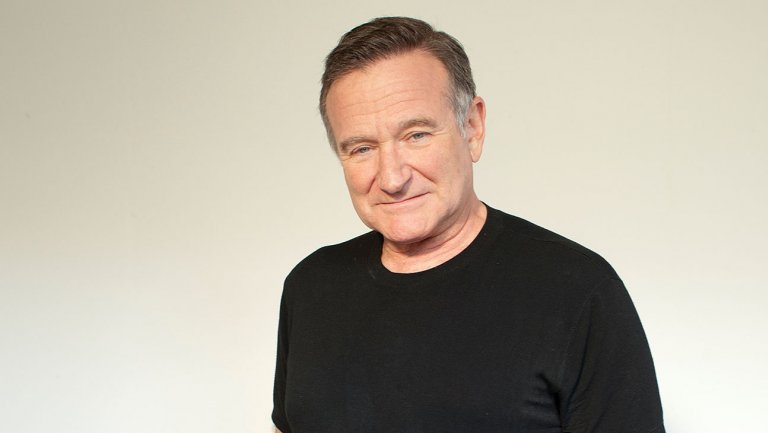
After reading about the posthumous exploitation of a plethora of famous people, I was eager to find an example of someone who refused to let their digital image be manipulated and commodified by the media. This reaction was in part inspired by the article we read, “Selling the dead,” which mentions the “dead celebrities bill” that New York state Senator Martin Golden introduced in 2011. This bill outlined that it would be a criminal offense to “use the image of any deceased New York celebrity for advertising, merchandising or other commercial purposes without permission from their legal heirs. The ban would last 70 years after their death” (Kirsta). However, the bill was not passed and its rhetoric has been adamantly opposed by media industries. As I kept this in mind, I stumbled upon the story of the great Robin Williams, who actually put in place a restriction on his image being used for twenty-five years after his death. This was mainly in an effort to ensure that his public image was not tarnished, but I was particularly interested in the tone various news sources took when describing this decision. One article features a quote from Laura Zwicker, an attorney at Greenberg Glusker who counsels high net worth individuals on estate and tax planning. She claims, “I haven’t seen that before. I’ve seen restrictions on the types of uses — no Coke commercials for example — but not like this. It could be a privacy issue.” The article also highlights the idea that maybe Williams’ representatives were aware of the novel technologies we’ve been reading about and wanted to steer clear of anything that could tarnish his legacy. An examination of this has lead me to question a couple of ideas: First, how does one dictate what amount of time is acceptable to wait until the dead can be resurrected in the digital world? Second, why does society feel the need to criticize instances in which celebrities take their digital legacies into their own hands?
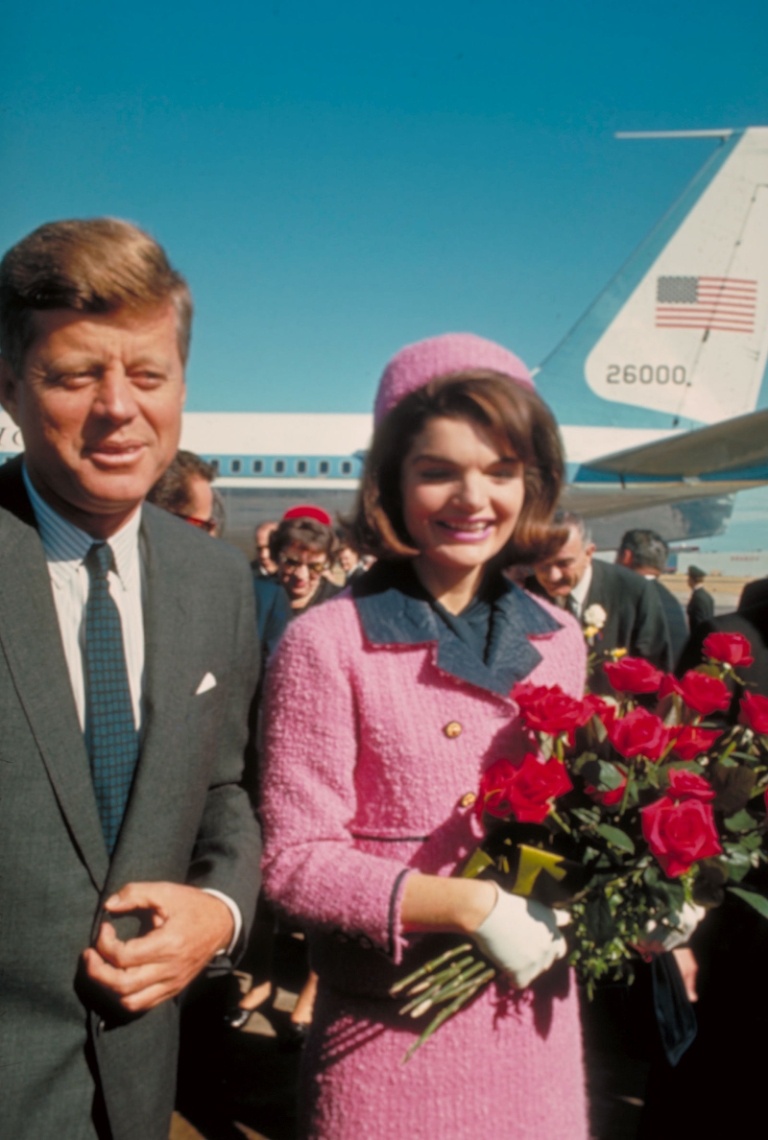
Robin Williams’ control over his legacy reminded me of the controversy behind Jacqueline Kennedy’s bloodstained pink Chanel suit, which is currently being preserved at the National Archives and won’t be seen by the public until 2103. The legal custody of the deed, which was established in July 29, 2003, and signed by Caroline Kennedy requires the National Archives to preserve the items and prevent the “undignified or sensational use of the materials (such as public display) or any other use which would tend in any way to dishonor the memory of the late President or cause unnecessary grief or suffering to members of his family” (Hallemann). I think the decision to keep the suit locked away makes sense in that it blatantly avoids sensationalizing the tragic assassination of President John F. Kennedy. But how does one justify that its release will be acceptable in 2103? Why can’t both Robin Williams’ image and Jacqueline Kennedy’s suit just be kept away forever? How does society believe it has a “right” to control the possession of these items?
Public figures are well within their right to limit what is accessible after their deaths, but I believe there needs to be further conversation regarding where we as human beings should draw the line between the wishes of the deceased and our rights to gain the information we seek.
Works Cited:
Hallemann, Caroline. “Why You Won’t See Jackie Kennedy’s Iconic Pink Suit On Display in a Museum.” Town & Country. Town & Country, 20 Mar. 2017. Web. 03 Apr. 2017.
Kirsta, Alix. “Selling the Dead.” The Telegraph. Telegraph Media Group, 03 Feb. 2012. Web. 03 Apr. 2017.