
 www.slate.com/content/dam/slate/articles/health_and_science/Science/2016/03/160328_SCI_neurons-firing.jpg.CROP.promo-xlarge2.jpg%5B/caption%5D

“Soon, Kurzweil promises, age and disease will disappear altogether, giving way to “software-based humans” with holographically projected bodies. If Google has its way, mortality will be conquered by human machines.” writes Alex Senemar in the article What Happens To Your Data When You Die?. There are a lot of other articles and perspectives on technology and tackling our mortality, the greatest problem of humankind since it could conceive what death meant. We often hear how technology grows exponentially, and the notion is usually that we will fix the problems of today with technology of the future, versus the present methods that we have today. However, I find it harder and harder to believe that even the technology and methods of the future will truly answer any of the questions the human mind poses.
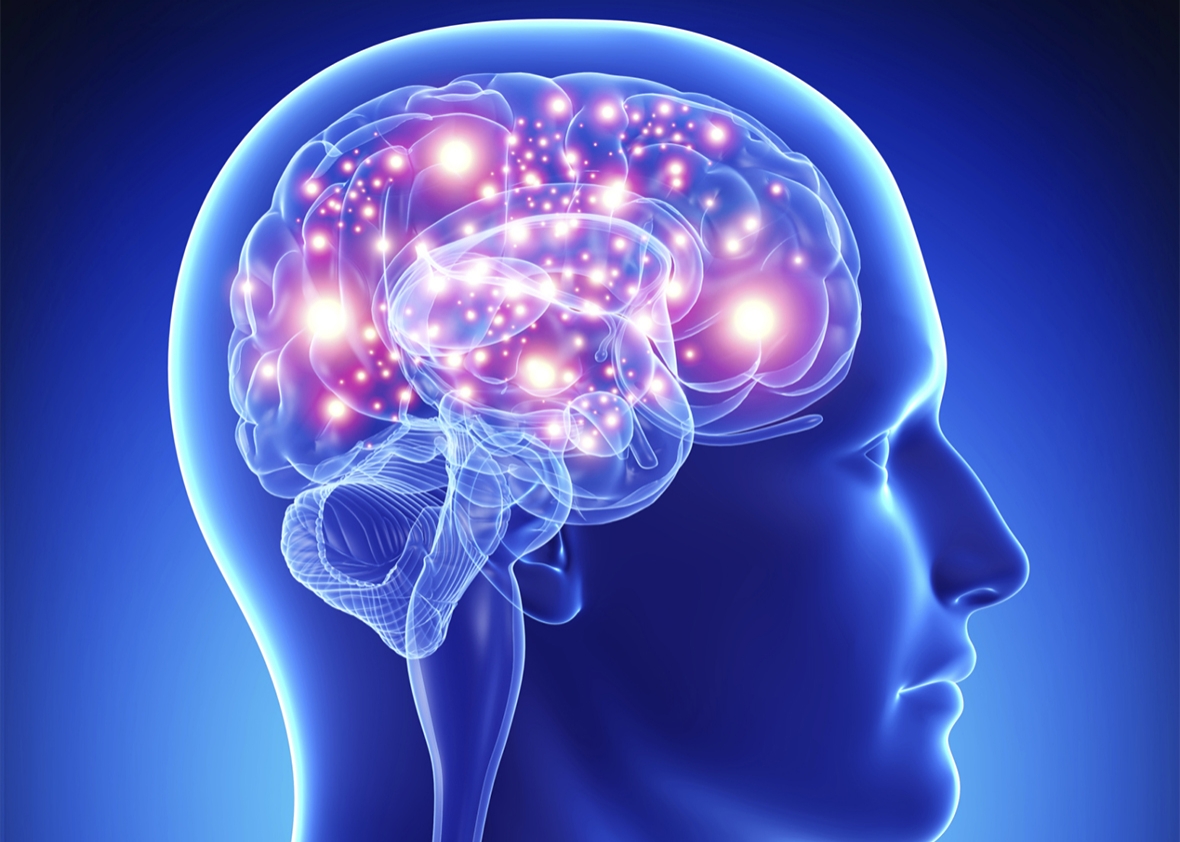
Just a few days ago I saw a video of a man who got concussed diving into the shallow end of a pool, waking up five days later with the ability to play the piano like a virtuoso. The greatest thing this case tells us is that the brain works in a way that is so complicated, that it seems that no amount of research and understanding can truly answer the questions that need to be answered in hopes of conquering our mortality. Sure, we might one day be able to simulate ourselves, and find ways to preserve personalities, characteristics, and memories. Having said that, I don’t think any of it will ever amount to the level which is natural and real, and in that case, what is the point? If you are not the same person who has died, then we are just further going down a road we aren’t meant to be treading.
Peace
Duka