
While reading the article “Gravesites and Websites: A Comparison of Memorialisation,” there was one quotation the particularly stuck with me. In discussing memorial websites, the authors state that “these sites are supportive of both the process of remembering someone as gone and being with someone as a continuing presence” (40). While I agree that memorial sites can serve to remember someone who is gone, I took issue with the authors use of “being with someone as a continuing presence” (40).
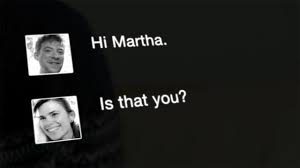
My first big issue with this statement is that a person’s presence on memorial site is not a dynamic presence. When someone dies, everything that they have done up until that point becomes fixed—there are no opportunities for a new or different presence. For example, think of new-Ash in “Be Right Back.” He was constructed from everything that the real Ash had ever posted online. He did not have the meanings or thoughts that the real Ash had, nor was he able to become a new person. And in my opinion, one of the fundamental aspects of humanity is our capacity for change.
My other issue with saying that memorial sites serve to allow us to be with someone as a continued presence is that I feel that it does not encourage people to move on. Similar to how Martha was unable to move on from Ash’s death once she found his online presence (something that seems to me like a futuristic memorial page), if others use memorial sites to be with their deceased loved ones, they will never be able to achieve closure over their loved one’s death.
I do believe that memorial sites can be cathartic. They can serve as locations for people to leave a message to the deceased. However, if memorial sites are being used for someone to feel that their loved one is still with them, then the sites could become a problem.